Read Our Latest Blog Posts:
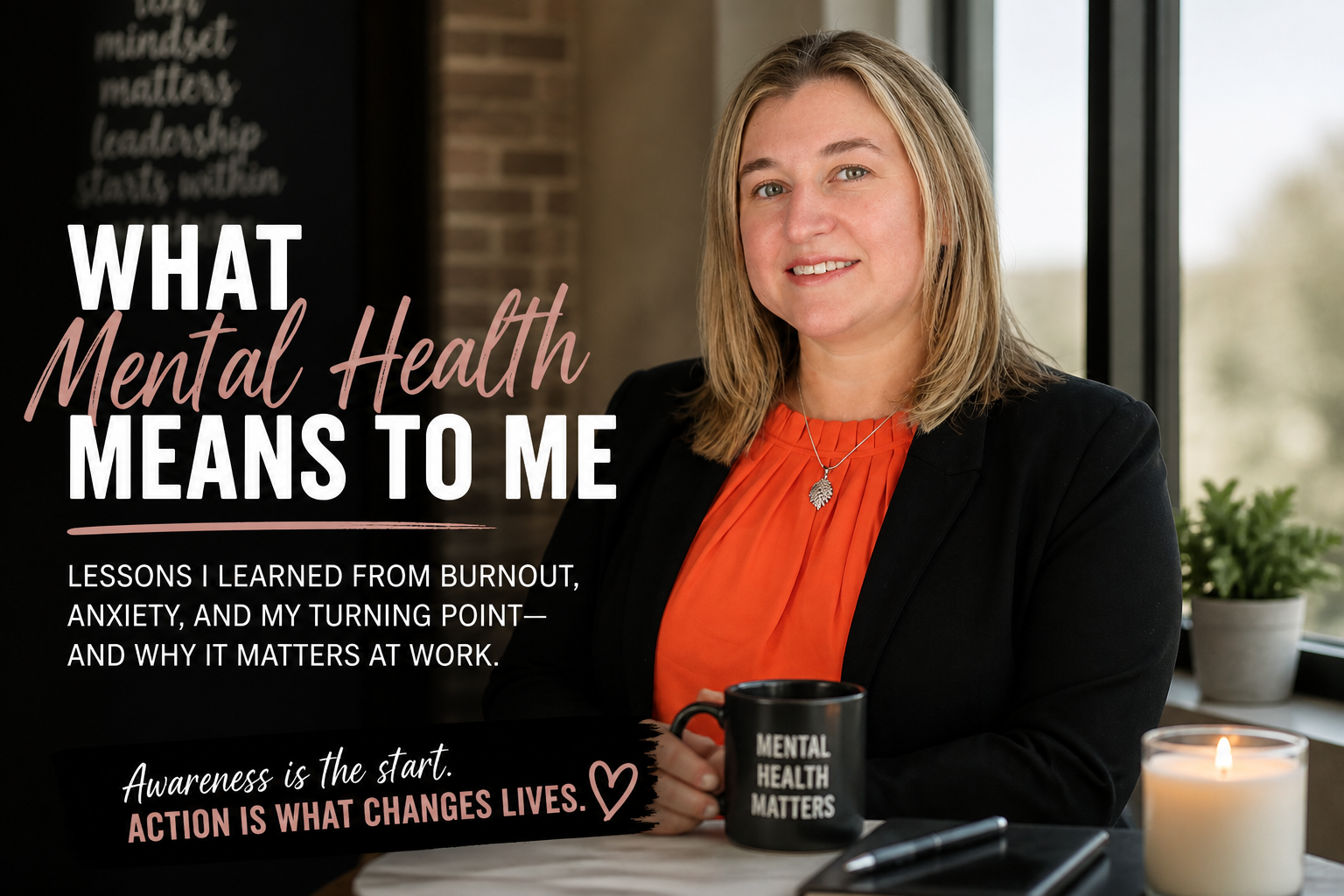
What Mental Health Means to Me: and Why It Matters at Work
When people ask me what mental health means to me, my answer isn’t theoretical; it’s personal.
Early in my career, I stepped into the oil and gas industry at the height of the Marcellus Shale boom. I worked long hours, 60, sometimes 100 hours a week. I was on call 24/7. The pace was relentless, the pressure constant.
And while the work was demanding, what stayed with me most wasn’t the workload; it was the people.
The men and women I worked alongside became like a family. A band of brothers. Hardworking, loyal, and resilient. But beneath that strength, I saw something else we don’t talk about enough.
I saw burnout, depression, strained marriages and broken families.
I saw coping mechanisms that looked like drinking, smoking, and shutting down.
And if I’m being honest, I wasn’t immune to it either.
I was dealing with anxiety. I was overwhelmed. I was using alcohol to cope. At the time, it felt normal, just part of the lifestyle. It wasn’t until I stepped away from that environment that I realized how unhealthy things had become.
That was my turning point.
From Burnout to Breakthrough
During that time away, I made a decision: I was going to figure out how to feel better and stay better. At the time I had just started to get into competitive boxing and decided to become a personal trainer. That experience led me down a rabbit hole where I then studied to become a health coach, a nutrition coach and a stress management coach. But what I quickly realized was this:
The biggest barrier to change wasn’t a lack of knowledge; it was my mindset.
My clients knew what to do, but they didn’t believe they could do it. I heard things like:
“I’ll never be fit.”
“I’ll never lose the weight.”
“I’m just not that kind of person.”
That negative self-talk was louder than any workout plan or nutrition strategy. So, I went deeper.
I studied behavior change and became a Certified Positive Psychology Practitioner. I dove into neuroscience to understand how our brains process stress, fear, and uncertainty and what I discovered changed everything: The thoughts we repeat become the reality we live.
The Mental Health Crisis We’re Not Talking About Enough

As I continued my work, I started connecting the dots between what I experienced in oil and gas and what I was seeing across industries such as construction, manufacturing and Energy. In these high-demand environments, stress is constant and often unspoken.
Here’s the hard truth:
Suicide remains one of the leading causes of death among working-age adults
Men die by suicide at significantly higher rates than women
Burnout, chronic stress, and emotional suppression are major contributors
And yet… many organizations are still trying to solve this with surface-level solutions such as yoga classes, step challenges and occasional wellness emails.
Don’t get me wrong, those things have value, but you can’t “wellness program” your way out of a culture problem.
You Can’t Outperform a Broken Thought Pattern
At the core of mental health is something we often overlook:
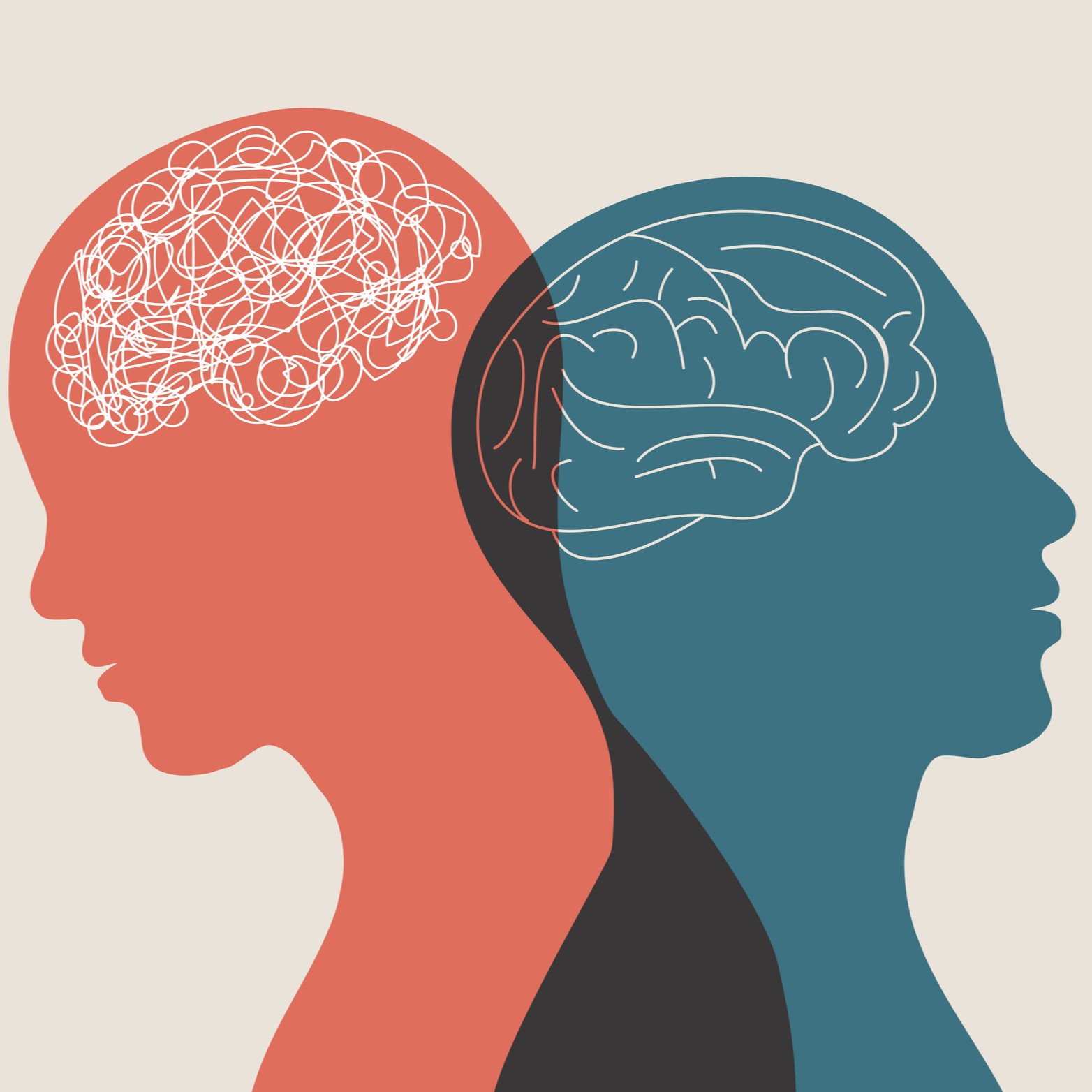
The way we think.
Not in a “just think positive” kind of way, because that’s not only ineffective, but it can also be harmful. This is where toxic positivity shows up. Telling people to “just be grateful” or “look on the bright side” without acknowledging what they’re actually feeling doesn’t build resilience; it builds suppression, and suppressed emotions don’t disappear.
They show up as burnout, anxiety, disengagement… and sometimes much worse.
What we actually need is something different:
Permission to be human
Tools to process stress in real time
Awareness of how our thoughts shape our emotions and behaviors
The ability to reframe, not ignore, what we’re experiencing
That’s what true mental resilience looks like.
Why I Do This Work
I still think about the people I worked with in those early years. The ones who would’ve shown up for me in a heartbeat. The ones I still have in my phone today, and I think about how many of them were silently struggling. I wish I had the tools I have now back then.
I wish I knew how to have those conversations, recognize the signs and help without feeling like I was overstepping. That’s why I do what I do today.
What Needs to Change in the Workplace
Mental health isn’t just an individual responsibility; it’s a cultural one. Organizations need to move beyond awareness and into action.
That means:
Creating psychological safety, where employees can speak up without fear
Training leaders to recognize stress, burnout, and emotional distress
Normalizing conversations around mental health, not avoiding them
Equipping teams with real tools, not just resources that go unused
Because here’s the reality:
If people don’t feel safe, they won’t ask for help. And if they don’t ask for help, we lose the opportunity to support them.
A Call to Do Better
Mental Health Awareness Month is important, but awareness alone isn’t enough. We don’t need more conversations that stop at “this matters.” We need conversations that sound like:
“How are you, really?”
“What do you need?”
“I’ve got you.”
We need leaders who are willing to lean in, teams that are willing to listen and workplaces that are willing to evolve. Because at the end of the day, this isn’t about performance metrics or productivity. It’s about people.
And we can do better.
Ready to Take Action?
If you’re ready to join me in the fight against burnout and suicide, now is the time to take action. I offer free workshops on these critical topics, along with leadership training, coaching, and customized wellness solutions designed to create real, lasting change.
Awareness is just the beginning. If you’re ready to build a healthier, more supportive workplace, let’s connect.
Contact
© Copyright 2023. Life Force Wellness. LLC.. All rights reserved.