
Read Our Latest Blog Posts:
Summer Reset: 5 Simple Ways to Feel Better Before Fall
The Fourth of July has come and gone.
Maybe you celebrated with family, grilled a few burgers, watched fireworks, stayed up a little too late, and enjoyed every minute of it. But now that the holiday weekend is behind us, summer isn't over, not even close. In fact, I think this is one of the best times of the year for a reset.
Most people wait until January to make changes. They create impossible resolutions, try to overhaul their entire lifestyle overnight, and by February they're exhausted. Summer offers something different.
Longer days. Fresh food. Sunshine. Time outdoors. A chance to slow down just enough to reconnect with the habits that make us feel our best.
As a health coach, one of the biggest lessons I've learned is that wellness doesn't have to be complicated. Sometimes the biggest improvements come from returning to the basics.
Here are five simple ways to reset your health this summer.
1. Kick Off Your Shoes and Touch Some Grass
Yes, I'm serious.
One of the best parts of summer is the opportunity to walk barefoot through your yard, the beach, or a park.
This practice, often called grounding or earthing, means allowing your bare feet to make direct contact with the earth.
While research is still developing, several studies suggest grounding may help reduce stress, improve sleep, decrease inflammation, and promote feelings of well-being. Even beyond the science, there's something incredibly calming about feeling cool grass beneath your feet after spending most of the year inside offices, cars, and gyms.
It's also a reminder to unplug. Leave your phone inside, listen to the birds, feel the breeze, and take five or ten minutes simply being present.
Sometimes our nervous system needs nature more than another notification.
2. Eat What Summer Gives You
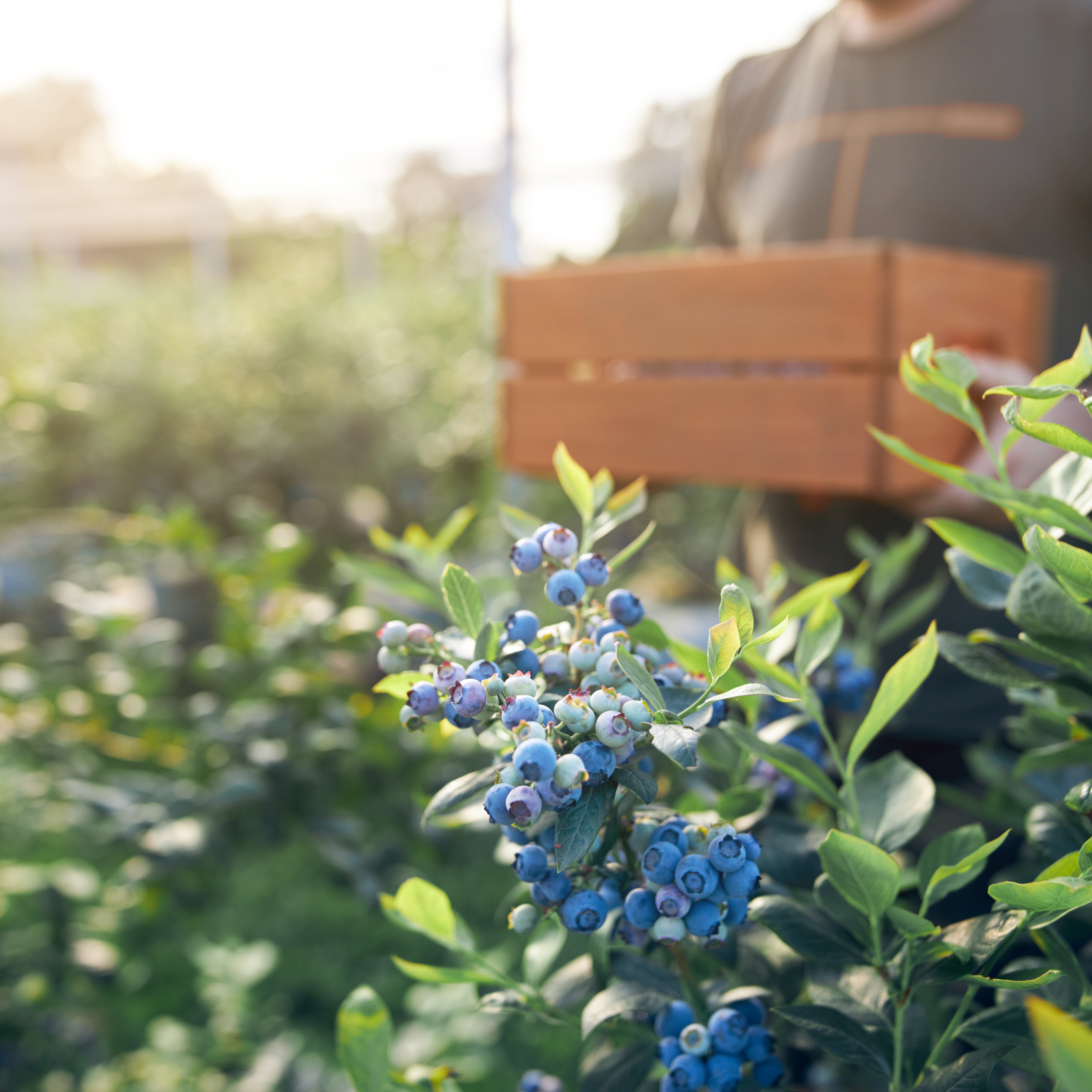
Summer is one of the easiest seasons to eat well because nature does most of the work for us.
Farmers markets are overflowing with berries, tomatoes, cucumbers, peppers, peaches, zucchini, watermelon, sweet corn, herbs, and countless other colorful foods. The more colorful your plate, the more vitamins, minerals, antioxidants, and fiber you're likely consuming.
Even better?
Try growing something yourself. Whether it's basil on your windowsill, tomatoes in a raised garden bed, or strawberries in a container on your deck, growing your own food creates a deeper appreciation for healthy eating.
The Academy of Nutrition and Dietetics recommends filling half your plate with fruits and vegetables because diets rich in produce are associated with lower risks of heart disease, certain cancers, and other chronic illnesses.
Healthy eating doesn't have to be expensive or complicated. Sometimes it's as simple as eating what's already in season.
3. Soak Up the Sunshine
After spending months bundled up indoors, summer gives us something we've been craving all winter. Sunlight.
Moderate sun exposure helps your body produce vitamin D, an important nutrient that supports bone health, immune function, muscle health, and overall wellness.
Time outside also supports mental health. Research has consistently shown that spending time in nature can lower stress, improve mood, reduce anxiety, and even improve attention and focus.
Go for a walk after dinner.
Read a book on your patio.
Take your lunch outside.
Play with your kids instead of watching from the porch.
You don't need an expensive vacation to experience the benefits of nature; sometimes your own backyard is enough.
Just remember to be smart about it. Wear sunscreen, stay cool, and avoid prolonged sun exposure during the hottest parts of the day.
4. Make Water Your Summer Drink
When temperatures rise, our hydration needs increase too. Unfortunately, many people replace water with soda, sugary coffee drinks, sports drinks, or sweet teas, which often contain more sugar than they do hydration.
Instead, make water your go-to beverage this summer.
If plain water isn't exciting, try adding:
Fresh strawberries
Lemon or lime slices
Orange wedges
Cucumber
Mint
Blueberries
Watermelon
Even mild dehydration can contribute to fatigue, headaches, reduced concentration, and decreased physical performance. The American Council on Exercise reminds us that hydration isn't only important during exercise; it supports nearly every function in the body.
Keep a reusable water bottle nearby.
Drink before you feel thirsty, and your body and your brain will thank you.
5. Move Because It Feels Good
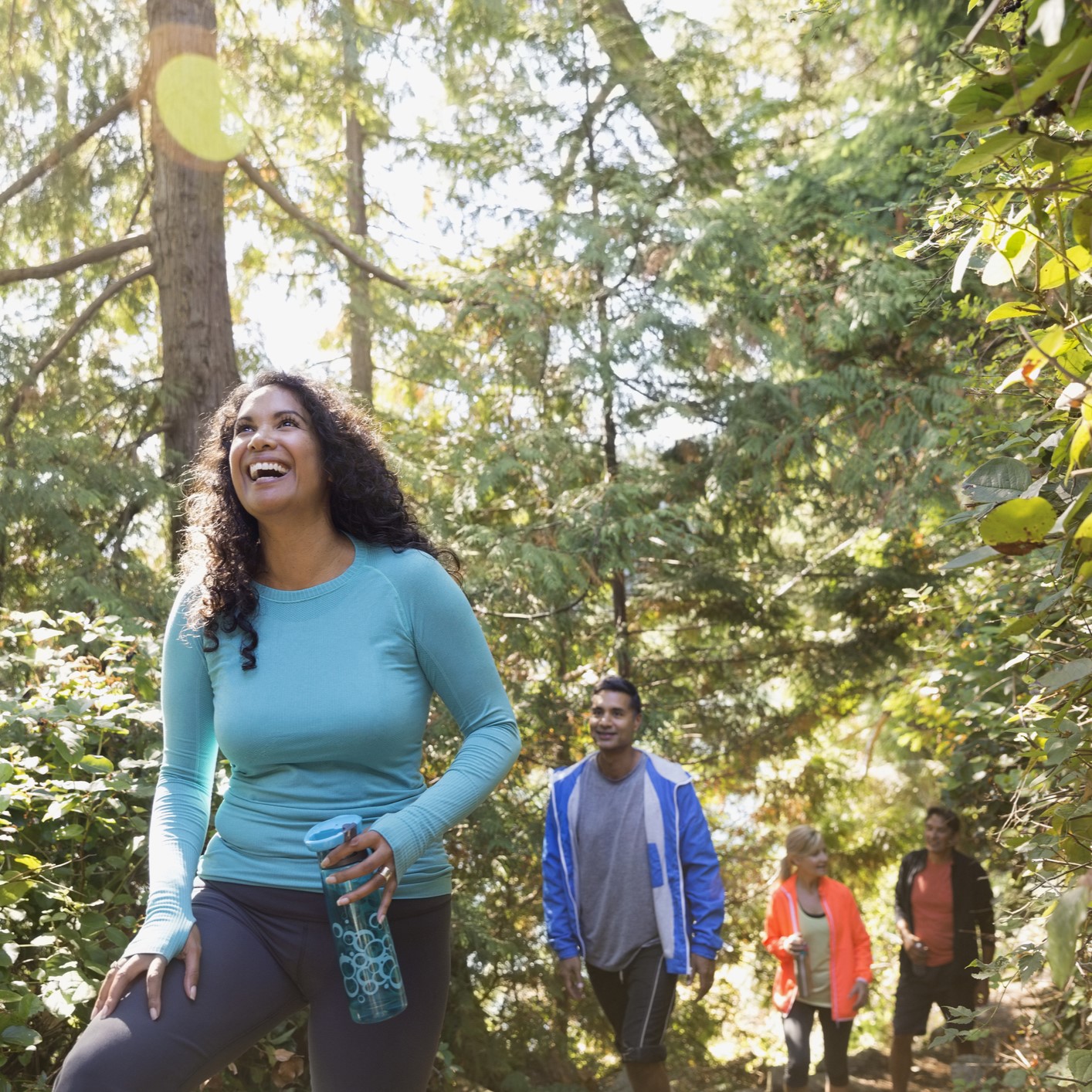
Summer workouts don't have to happen inside a gym.
Go hiking.
Ride your bike.
Swim.
Play pickleball.
Walk the dog.
Throw a football.
Garden.
Dance with your kids in the driveway.
One of the biggest mistakes I see people make is believing exercise only "counts" if it's intense.
The National Academy of Sports Medicine teaches us that consistent movement throughout the week provides tremendous benefits for cardiovascular health, mood, stress management, and longevity.
Movement should energize your life, not become another source of stress.
Find activities that make you smile because those are the ones you'll actually keep doing.
Your Summer Challenge
You don't need …
another crash diet.
a complicated workout plan.
to wait until January.
This week, choose just one of these habits.
Take your shoes off.
Visit the farmers' market.
Drink another bottle of water.
Take your lunch outside.
Go for an evening walk.
Small actions repeated consistently create lasting change.
As I coach clients and organizations, one truth comes up over and over again: sustainable wellness isn't built through perfection; it's built through intentional daily choices.
Summer isn't just a season; it is an opportunity to recharge, reconnect, and reset before the busy fall arrives. So go ahead.
Touch the grass.
Eat the peach.
Drink the water.
Soak in the sunshine.
Move your body.
Your future self will be glad you did.

Contact
© Copyright 2023. Life Force Wellness. LLC.. All rights reserved.