
Read Our Latest Blog Posts:
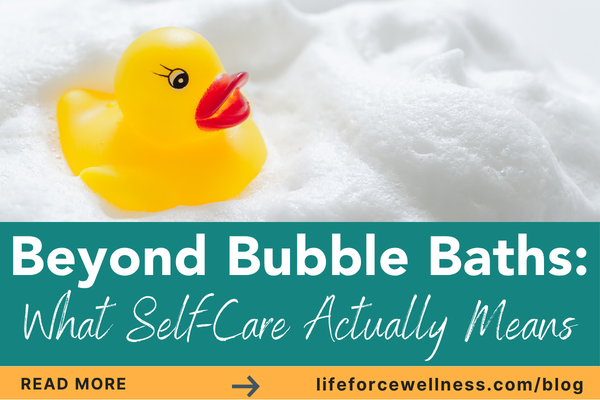
Beyond Bubble Baths: What Self-Care Actually Means
September is Self-Care Awareness Month, and if you search “self-care” online, you’ll probably see plenty of bubble baths, fluffy towels, candles, face masks, spa treatments, and perfectly arranged cups of tea.
Those things can feel wonderful. They can help us relax, slow down, and enjoy a moment of peace. But are they really self-care?
Sometimes.
A bubble bath might be exactly what you need after a long, stressful day. But it can also become a temporary escape from the problem that continues waiting for you when the water gets cold.
That is where our understanding of self-care often falls short.
Self-Care Isn’t Just Something That Feels Good
Self-care is often portrayed as pampering ourselves, treating ourselves, or taking a break from reality. But real self-care goes much deeper.
Self-care is the intentional practice of recognizing and responding to your physical, mental, emotional, relational, financial, environmental, and spiritual needs.
Sometimes that feels relaxing, and sometimes it doesn’t.
Real self-care may look like:
Going to bed instead of watching one more episode
Scheduling the medical appointment you have been avoiding
Preparing food that will give you energy
Moving your body even when you don’t feel motivated
Looking honestly at your finances
Asking someone for help
Having a difficult but necessary conversation
Stepping away from a relationship that is harming you
Turning off your notifications so you can think
Setting a boundary and tolerating someone else’s disappointment
Saying no when you are already at capacity
Resting before your body forces you to stop
None of those actions would look particularly glamorous in an online search. But they are self-care because they help protect, restore, or strengthen your well-being.
Relief Is Not Always the Same as Care
One reason self-care gets confusing is that we often mistake immediate relief for genuine care.
Scrolling on your phone may temporarily distract you from feeling overwhelmed. Pouring another glass of wine may help you forget about a difficult day. Buying something may create a quick burst of excitement. Canceling every commitment may briefly remove pressure.
These choices may provide temporary relief—but they do not necessarily address what you need.
Relief asks:
“What will help me feel better right now?”
Self-care asks:
“What do I need in order to be well?”
Sometimes the answer to both questions is the same. You may genuinely need to rest, laugh, watch a favorite show, spend time alone, or soak in a hot bath.
Other times, the thing that feels good in the moment may leave you feeling more tired, disconnected, anxious, or overwhelmed later.
Real self-care requires us to pause long enough to recognize the difference.
Self-Care Is Not Something You Earn
Many people treat self-care as a reward:
“I’ll rest once everything is finished.”
“I’ll take time for myself when everyone else is taken care of.”
“I’ll slow down after this busy season.”
“I’ll start exercising when work calms down.”
The problem is that nothing is ever truly finished, and the next busy season is usually waiting right behind this one. Rest is not a reward for reaching the point of exhaustion. You don't have to earn health benefits by completing your entire to-do list.
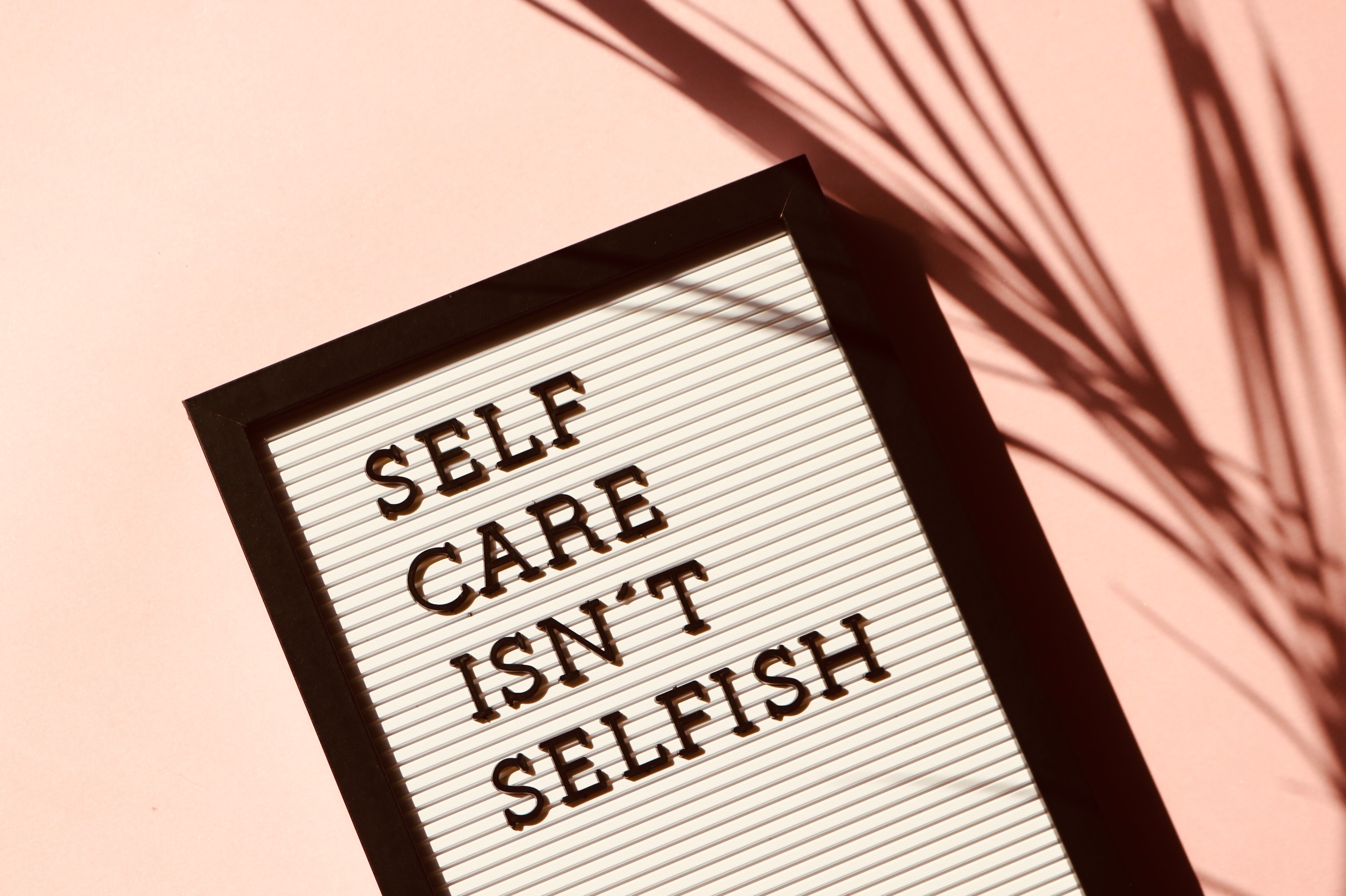
Self-care helps you keep showing up for the people, responsibilities, and goals that matter to you. It isn’t selfish, and it doesn’t mean ignoring the needs of others. It means recognizing that constantly neglecting your own needs eventually affects everything and everyone around you.
Self-Care Is Personal
There is no universal self-care checklist.
An activity that restores one person may drain another. One person may need more connection, while someone else desperately needs time alone. One person may need permission to rest, while another may need structure, movement, or a reason to get out of the house.
Even your own needs will change depending on the season you are in. That is why self-care begins with awareness, not a shopping list. Before choosing a self-care activity, ask yourself:
What am I feeling right now?
What is contributing to that feeling?
What do I actually need?
Am I caring for myself or avoiding something?
Will this choice support me beyond the next few minutes?
What would make tomorrow a little easier?
You may still decide that you need the bubble bath, and if that is what genuinely helps you recover, enjoy every minute of it. But you may discover that what you really need is an earlier bedtime, a clearer boundary, a walk outside, an honest conversation, a prepared lunch, or an appointment with a professional.
Beyond Bubble Baths
Throughout September, we are going to take a deeper look at self-care, what it isn’t, why it can be so difficult, and how to build practices that support your well-being in real life.
We’ll explore the difference between self-care and avoidance, the role of boundaries, the importance of recovery, and how to care for yourself when your schedule and responsibilities don’t simply disappear.
Because self-care should not be another picture-perfect routine you feel guilty for failing to maintain. It should help you build a life you don’t constantly need to escape from.
Join Us for “Beyond Bubble Baths”
Want to continue the conversation?
Join me for my upcoming webinar, Beyond Bubble Baths: Self-Care That Actually Works.
We’ll move past the commercialized version of self-care and explore practical, realistic strategies to identify what you truly need and care for yourself in ways that support your health, energy, resilience, and everyday life.
Register on Eventbrite: https://www.eventbrite.com/e/1997501283109?aff=oddtdtcreator
A bubble bath can absolutely be part of self-care, but it was never meant to do all the work.

Contact
© Copyright 2023. Life Force Wellness. LLC.. All rights reserved.