
Read Our Latest Blog Posts:
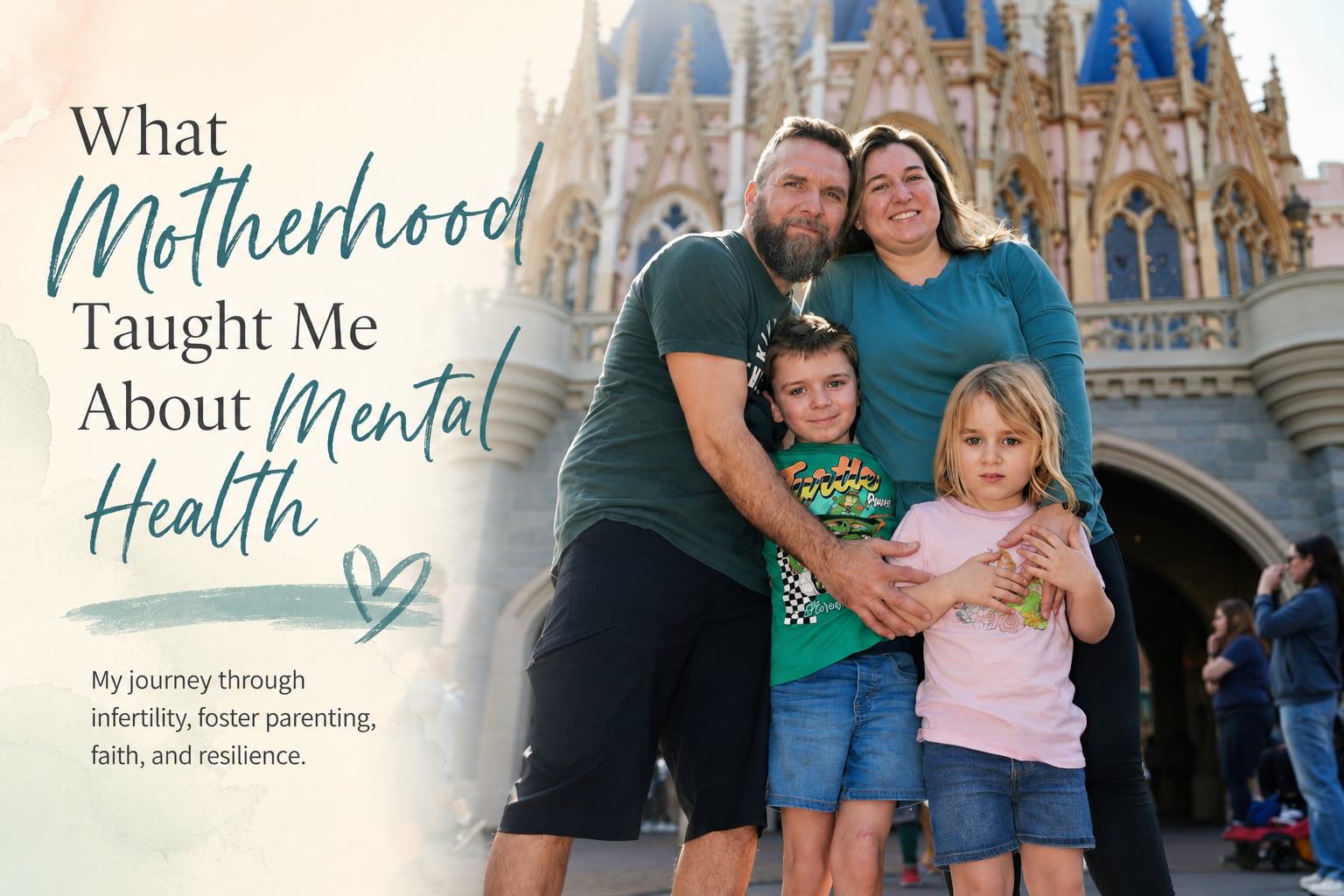
What Motherhood Taught Me About Mental Health: My journey through infertility, foster parenting, faith, and resilience
When we celebrate Mother’s Day, we often focus on the beautiful moments.
The flowers. The smiling family photos. The handmade cards and breakfasts in bed. But behind many mothers and women who desperately want to become mothers, there are stories we rarely talk about. Stories filled with grief, fear, waiting, bitterness, disappointment, uncertainty, and silent mental battles.
Mental health is deeply connected to motherhood, fertility, identity, and the pressure many women silently carry. For years, this was part of my story too. Just a few months after getting married in 2008, I was diagnosed with severe Crohn’s disease. During one hospital stay, a doctor walked into my room, looked at me, and said:
“Don’t plan on having children.”
Then he walked out. I completely fell apart.
I had just gotten married. I had dreams of becoming a mother someday, and in one moment, it felt like those dreams had been ripped away from me.
Later, another doctor came into my room and gently explained that it didn’t necessarily mean I could never have children. My Crohn’s disease was so severe at the time that I needed medications that could potentially cause "birth defects" and place both a future baby and me at risk.
That conversation gave me a little hope, but the journey ahead was still incredibly difficult. For years, I went through treatments with no clear end in sight. As the years passed, I became more discouraged and more heartbroken. It felt like everyone around me was moving forward with life while I remained stuck in uncertainty.
Around six years into that journey, my husband and I decided to become foster parents with hopes of eventually adopting. That experience changed me in ways I still struggle to fully explain. Foster parenting was beautiful at times, but also emotionally exhausting, heartbreaking, and eye-opening. If I’m being honest, there were moments when I became deeply bitter.
I watched friends and family members celebrate pregnancies and baby showers while I silently questioned whether motherhood would ever happen for me. Some days it was hard to even attend those celebrations because my heart hurt so badly.
At the same time, fostering exposed me to heartbreaking realities of abuse, neglect, addiction, and trauma. I found myself wrestling with difficult emotions and even questioning my faith. I remember wondering why some people who hurt and neglected children were able to have them so easily, while others desperately longed to become parents and struggled for years.

Those thoughts brought guilt, sadness, anger, and confusion all at once. Eventually, after nearly eight years of battling severe Crohn’s disease, I made the difficult decision to undergo surgery and had about a foot of my intestine removed.
That surgery changed everything.
For the first time in years, my Crohn’s disease finally went into remission. About a year later, my doctors gave me words I never thought I would hear:
“You can try to get pregnant now.”
The day before our tenth wedding anniversary, I gave birth to my son, Jaxon.
Even then, the fear didn’t fully disappear. We worried we might never be able to have another child. But after getting my Crohn’s back under control again, my doctor encouraged us to try one more time.
And a year later, I walked back into that same office holding pictures of my newborn daughter, Caylee.
This journey has been filled with highs and lows, bitterness and joy, heartbreak and gratitude. But one thing I’ve learned is this:
Every mother has a story about how she became a mother.
Some stories include infertility.
Some include miscarriage or infant loss.
Some include foster care or adoption.
Some include postpartum depression.
Some include unexpected pregnancies, traumatic births, or years of waiting.
And many of those stories carry invisible mental and emotional battles that people rarely talk about openly. The truth is, mental health and motherhood are deeply connected.
Yet so many women suffer silently.
Many women struggling with infertility feel shame and isolation. Mothers experiencing postpartum depression often feel afraid to admit they’re struggling because they fear judgment. Women navigating miscarriage or infant loss are expected to grieve quietly and quickly return to normal life.
Then there’s the pressure many women feel in the workplace.
For years, women have been subtly and sometimes directly taught that motherhood may slow down their careers. Many delay having children because they fear losing opportunities, momentum, income, or professional credibility.
And even once they become mothers, the support often falls short.
In the United States, many women return to work within six to eight weeks of giving birth while still healing physically, navigating sleep deprivation, hormonal changes, emotional overwhelm, and the demands of caring for a newborn.
Many mothers struggle to pump at work, maintain their health, manage childcare, and keep up professionally, all while feeling pressure to “hold it together.”
The reality is that the United States continues to lag behind much of the developed world in parental support.
According to the OECD, the United States remains the only developed nation without federally mandated paid maternity leave. Across OECD countries, paid maternity leave averages nearly 18–19 weeks, with many countries offering additional parental leave for both mothers and fathers.
Countries like Sweden offer parents a combined 480 days of paid parental leave to share, while countries like Spain now provide both mothers and fathers with extended, fully paid leave. Meanwhile, many families in the U.S. are forced to return to work long before they are physically or emotionally ready.
SHRM has also reported that only about 40% of employers in the United States currently offer paid parental leave benefits. And yet research consistently shows that better parental leave policies improve employee morale, retention, productivity, and long-term engagement.
This isn’t just a “family issue.”
It’s a mental health issue.
It’s a workplace culture issue.
And it’s a leadership issue.
Fathers often face challenges, too. Many men want to be present to support their wives and bond with their children, but paternity leave policies are often minimal. Just because fathers didn’t physically give birth doesn’t mean their presence and support during that transition aren’t incredibly important.
We have to do better.
4 Things Employers Should Consider About Mental Health & Parenting
1. Infertility and Pregnancy Loss Are Mental Health Issues
Infertility, miscarriage, failed adoptions, and infant loss can have a profound emotional impact on employees. Organizations need to create cultures where these conversations can happen without shame or fear.
2. Parental Leave Is Not a Luxury
Recovery from childbirth is physical, emotional, and mental. Parents need adequate time to heal, adjust, and bond with their children without feeling pressured to return to work immediately.
3. Fathers Need Support Too
Fathers experience stress, anxiety, exhaustion, and emotional overwhelm during major life transitions as well. Supporting fathers ultimately supports the entire family unit.
4. Working Parents Need Psychological Safety
Employees should not feel like becoming a parent will damage their professional growth or credibility. Flexible workplaces, supportive leadership, and empathy matter more than ever.
Final Thoughts
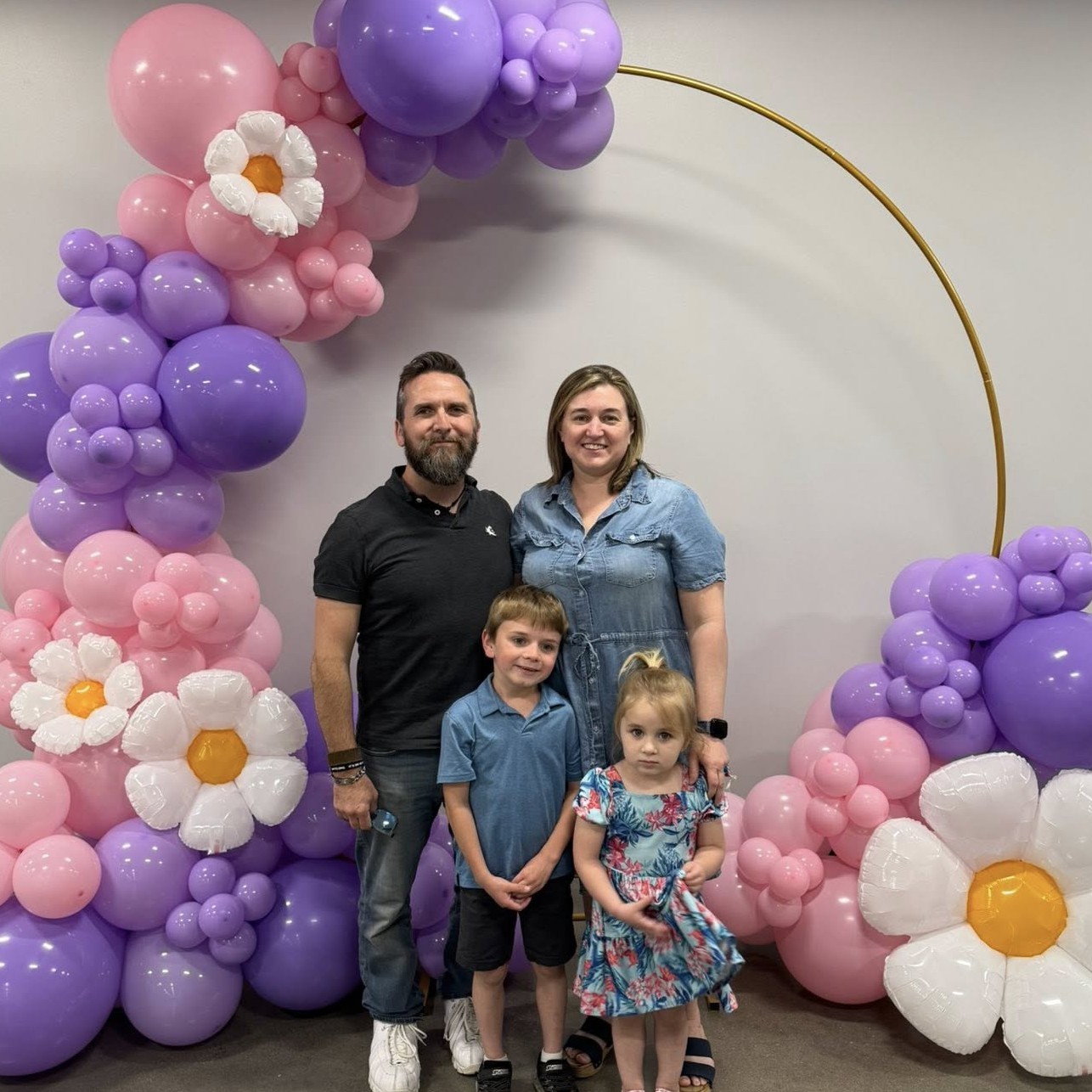
Today, when I look at my son and daughter, I’m reminded that my story didn’t unfold the way I planned. There were years filled with grief, waiting, anger, bitterness, and uncertainty.
But there was also healing, growth, perspective, and joy.
Motherhood changed me, and so did the journey it took to get here.
And if there’s one thing I hope we begin talking about more openly, it’s this:
Mental health doesn’t disappear when people become parents. In many ways, it becomes even more important.
We need workplaces, communities, and conversations where people feel safe enough to tell the truth about what they’re carrying, instead of suffering in silence.
Because mental health matters.
Sources
Organisation for Economic Co-operation and Development (OECD).
Paid parental leave: Big differences for mothers and fathers.
https://www.oecd.org/en/blogs/2023/01/Paid-parental-leave--Big-differences-for-mothers-and-fathers.htmlSociety for Human Resource Management (SHRM).
How Paternity Leave Is Gaining Traction.
https://www.shrm.org/topics-tools/news/benefits-compensation/how-paternity-leave-is-gaining-tractionGreat Place To Work.
How Competitive Is Your Company’s Paid Parental Leave?
(Referenced for SHRM employee benefits survey data regarding paid parental leave offerings.)
https://www.greatplacetowork.com/resources/blog/how-competitive-is-your-companys-paid-parental-leaveReuters.
Spain’s new parental leave gives fathers one of Europe’s most generous allowances.
https://www.reuters.com/world/spains-new-parental-leave-gives-fathers-one-europes-most-generous-allowances-2025-07-29/
Contact
© Copyright 2023. Life Force Wellness. LLC.. All rights reserved.